After the rush of Black Friday and Cyber Monday, Valentine’s Day marks the first holiday when email marketers get back in the saddle. As a professional email nerd, I’m always fascinated by holiday sending trends. This year, however, I was especially keen to dive deeper due to the recent changes at Gmail.
As expected, these shifts impacted senders’ Valentine’s Day performance—both directly and indirectly. However, they didn’t stop marketers from experimenting with new angles to shoot their Cupid’s arrows into subscribers’ inboxes.
Let’s take a closer look at Gmail’s developments and the tactics that made some subscribers fall in love—while others set up senders on a date with the spam folder.
Gmail reshapes the inbox
As 2025 came to a close, Gmail rolled out several updates designed to enhance the user experience in the inbox. These changes keep senders on their toes! Valentine’s Day provided the perfect opportunity to see these updates in action.
Relevance sorting
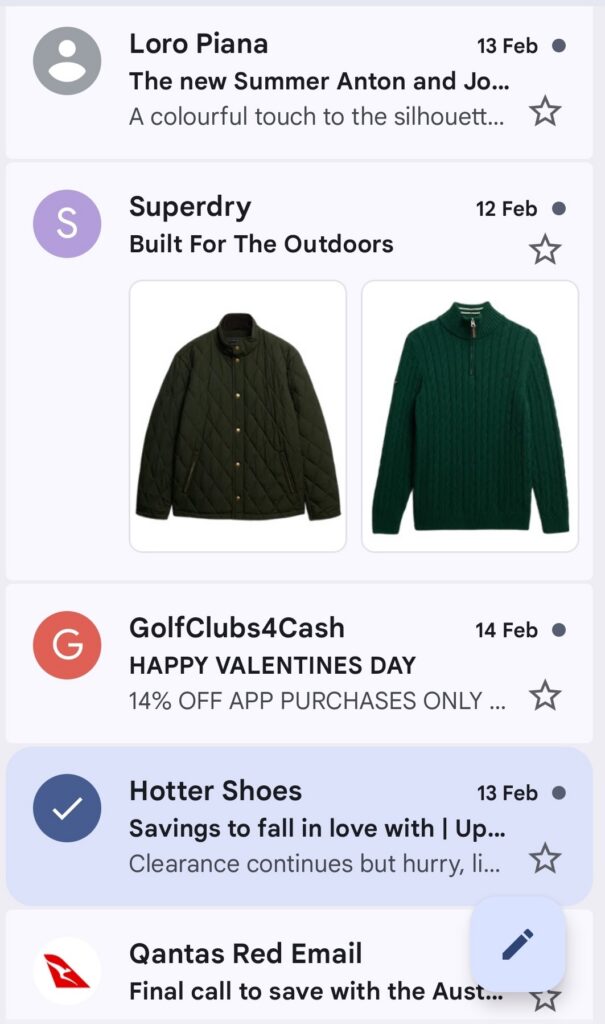
Valentine’s Day offered a clear glimpse into the impact of Gmail’s relevance-sorted Promotions tab. On a day when many promotions are especially time-sensitive, we saw numerous emails crafted specifically for February 14th being overshadowed by older emails from other programs.
Gmail deemed these older emails to be more relevant, which pushed them ahead in the inbox. This left some senders struggling to reach their audience at the right time.

Gmail annotations
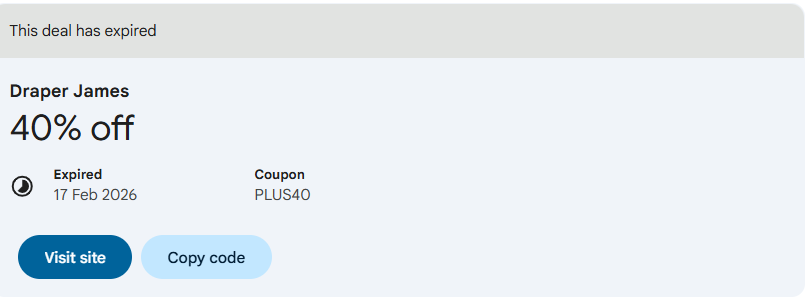
The unintended consequences of Gmail’s annotations were clearly visible—many email offers had already expired when readers saw them for the first time.

We also saw several examples of senders who missed an opportunity to use annotations. Interflora and Snapfish could have leveraged Gmail’s “availabilityEnds” parameter to prevent time-sensitive offers from being displayed after they were no longer relevant.

Deal cards
We saw many examples of Gmail automatically building deal cards that were inserted at the top of emails. While the content was accurate, these deal cards essentially reduced the emails to a single data point—the coupon—diminishing the additional value that brands like Draper James work so hard to provide.
The key to subscribers’ hearts: Messaging tactics
There was no shortage of festive messaging trends this year. I’ve included a few that deserve a shoutout below.
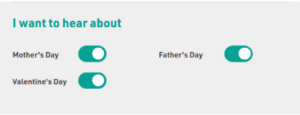
Don’t mail me: It seems senders now recognize that a tidal wave of promotional messages can alienate subscribers who don’t participate in the holiday. This year, we only saw a few “Would you like to opt out of Valentine’s Day emails?” notifications. Instead, we’re seeing more brands like Buyagift integrating these events into their preference centers, allowing subscribers to opt out on a “one and done” basis. (See here for the full preference center—it’s excellent).
14 percent offers: Several senders offered 14 percent discounts. The value not only aligns with the date (February 14th) but also helps offers stand out from the more common 25 percent or 30 percent discounts that subscribers usually see.

Doomscrolling: Clarins understands how subscribers “doomscroll” through their messages. Their clever subject line (“stop scrolling”) counters this behavior by encouraging subscribers to pause and pay attention to the message.

In case you missed it: On February 15th, we saw plenty of emails aimed at helping people who forgot Valentine’s Day—and were likely in deep trouble with their partners. The primary purpose of these messages was to help tardy partners redeem themselves and repair relationships. But this trend may also signal that senders are adopting a new strategy to reduce the impact of emails going unseen the first time—possibly due to engagement-based sorting.

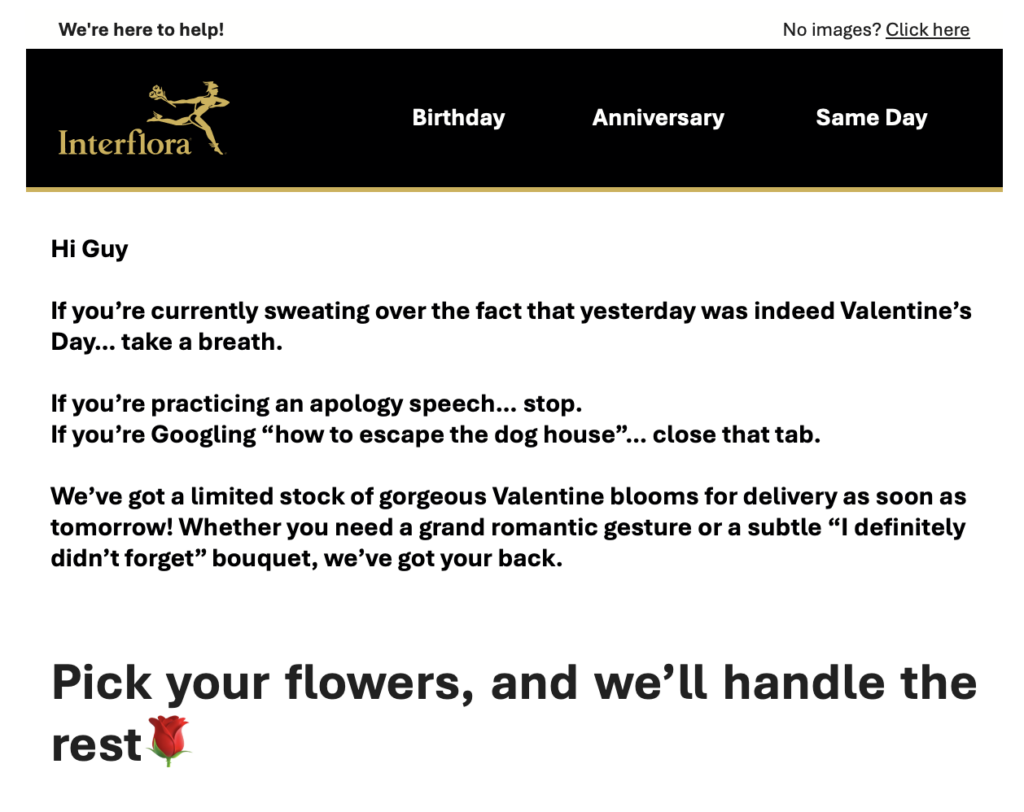
Humor: We saw some great examples of humor this Valentine’s season, which helps emails stand out—especially when the goal is to “row against the flow.” Interflora appealed to partners who forgot Valentine’s Day and offered them a way to dig themselves out of the hole they’d created in this witty example.
Micro-animations: Micro-animations are GIFs that use subtle movement to catch subscribers’ attention, amplify logos, draw focus to CTAs, and highlight specific product features. A great example is Bulgari’s recent email, which shows a slight shimmer over their logo, adding a little sparkle to catch your eye:

Who was left broken-hearted in spam? And why?
Unfortunately, not all campaigns were destined for romance this year. It’s unfortunate, as they created some excellent emails for their Valentine’s campaign—but even the best-crafted messages are wasted if they don’t reach the inbox. Here are a few reasons why some sends landed in my spam folder—and why I think they landed there.
- Sudden volume spikes: Some brands that ended up in my spam folder run highly seasonal email programs, with major spikes in volume and frequency around key events like Christmas, Valentine’s Day, and Mother’s Day. Sporadic send increases without the appropriate audience warm-up lead directly to deliverability problems.
- Spam traps: Our data showed several senders hitting spam traps in the lead-up to Valentine’s Day. Mailbox providers and spam filters use spam trap activity as an indicator of a sender’s subscriber acquisition and list hygiene practices. As a result, higher spam trap hits lead to lower reputation metrics and degraded inbox placement.
- Unengaged audiences: Some senders fell victim to sending to unengaged audiences in the midst of the holiday excitement, which leads to a poor sender reputation. One example is hotel brands with high levels of one-off visitors who subscribe during their stay but lose interest once they return home. As a result, this program faces a significant challenge with sender rejection rates.
Love letters to email
Of course, it wouldn’t be Valentine’s Day without my favorite annual LinkedIn tradition: Love Letters to Email! Here’s one example from Validity’s Tom Bartel that made our hearts flutter from this year:
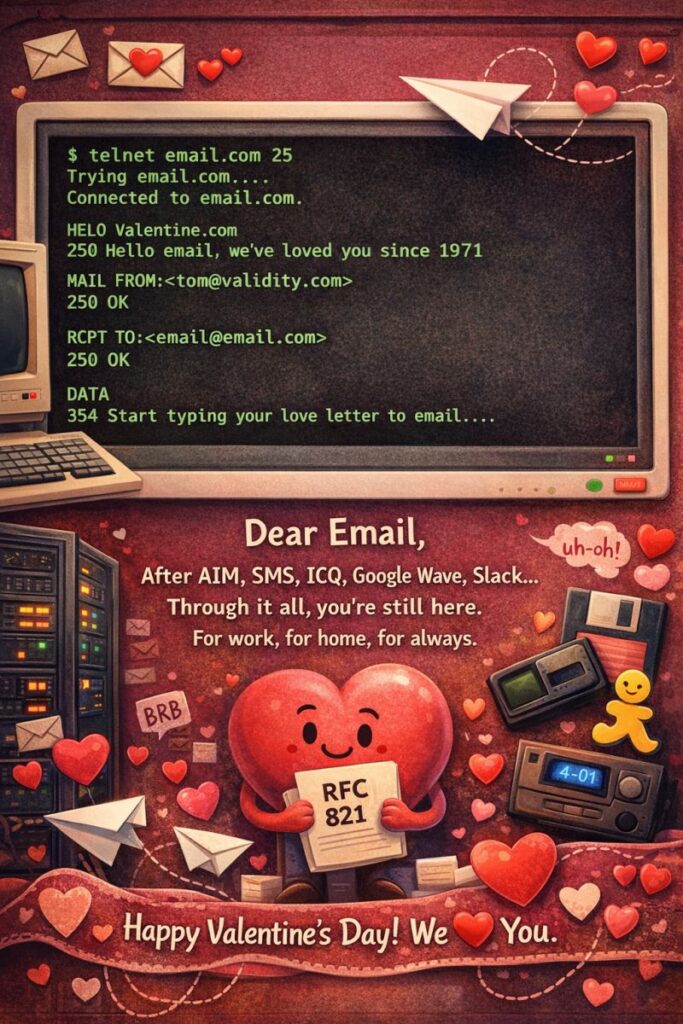
Every send needs a little bit of love!
And there you have it! Valentine’s Day 2026 had it all—ups, downs, heartbreaks, and love songs. One thing is for certain: amid Gmail shifts and fierce competition, every send needs a little love to appeal to subscribers.
Looking to stay ahead of other email trends this year? Check out our team’s 2026 predictions—a few have already come true.