
Key takeaways:
- AI will reshape email marketing jobs by automating content creation, requiring marketers to focus on strategy, quality assurance, and brand voice.
- Mailbox provider tools will evolve to offer deeper insights like bounce data and advanced engagement metrics, enabling smarter campaign optimization.
- Send time optimization will fade as marketers prioritize relevance and engagement over timing due to privacy and inbox sorting changes.
- Stricter authentication protocols like DMARC, SPF, and DKIM will be required to ensure email security and legitimacy in 2026.
- Building trust will become essential, with reply rates and preference center engagement emerging as key metrics for subscriber loyalty.
As the holiday chaos winds down and the bitter cold of January sets in, Validity’s email experts gathered to make some predictions for the year ahead.
To kick off the year, Validity’s VP of Customer Engagement Guy Hanson hosted the State of Email Live webinar, where he brought together five of his colleagues to discuss their predictions. While we highly recommend watching the full session on-demand, we’re pleased to share a quick breakdown of each expert’s hot takes.
2025 email marketing retrospective
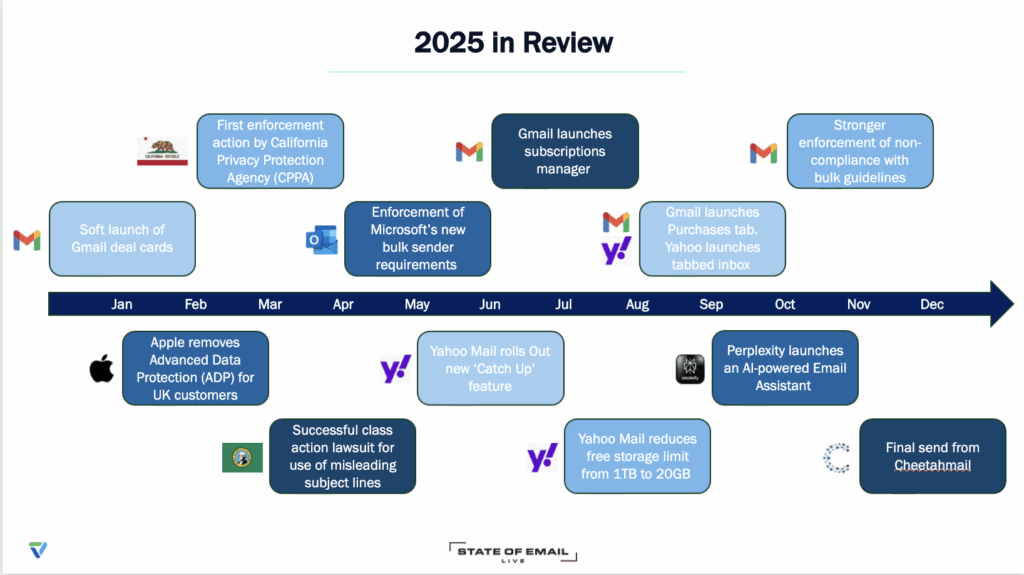
The email marketing landscape saw significant shifts in 2025, including new privacy laws, mailbox provider (MBP) updates, and AI advancements. As you can see from the 2025 timeline below, it was a busy year! Looking ahead, 2026 promises to bring even more changes and innovations. But enough living in the past! Let’s get into our experts’ thoughts on the future.
1. More changes to mailbox provider tools
Yahoo and Google recently updated their feedback tools, Yahoo Sender Hub and Google Postmaster Tools, to provide marketers with deeper insights into campaign performance. Danielle Gallant predicted that this trend of expanded insights from MBPs will continue in 2026. We’ll likely see the inclusion of enhanced bounce data, delete-without-reading rates, and other advanced metrics.
At the time of the webinar recording, Danielle’s prediction was already gaining traction. Microsoft announced updates to SNDS, including authentication changes and stronger data protection. Meanwhile, Google introduced a more efficient ticketing system in Postmaster Tools V2, setting the stage for even more improvements in MBP tools.
2. The end of send time optimization
Danielle’s second prediction challenged the long-standing practice of send time optimization (STO). “STO is a lovely idea in theory,” she explained, “but senders need a vast amount of data for it to be truly effective in finding the right send time for each subscriber.”
Another issue lies in STO’s reliance on open rates, which have become increasingly inaccurate since Apple’s Mail Privacy Protection (MPP) was introduced back in 2021. MBPs are shifting their focus from recency to relevancy. For example, Gmail’s promotions tab now allows users to sort messages based on relevance, prioritizing brands they engage with most frequently.
According to Danielle, marketers will need to embrace what she calls the “Relevancy Era.” Strategies like relying on concrete engagement metrics and offering more robust preference centers will become essential. “Relevancy now trumps a quick open,” she said.
3. SEO is coming for your inbox
Rafael Viana predicted email marketers will have to tailor their content to the machines in 2026. “The gatekeeper has changed,” Rafael explained. “AI is reading your email before your customer and is summarizing your content.” Apple and Gmail have already implemented AI reading tools, which means senders must consider how machines will interpret their messages during the creation process.
Rafael recommends adopting SEO-like approaches, such as ensuring your content is machine-readable, using semantic formatting, front-loading essential information, and using inbox schema like Gmail annotations.
4. The extinction of the email builder
Building off his previous prediction, Rafael turned his focus to the email marketer’s day-to-day with his second prediction. “In 2026, you won’t be hired for your ability to write a subject line or code a table, because AI will do that instantly,” Rafael explained. “You will be hired for your ability to manage that output.”
He called this transition the move from “email builder” to “email orchestrator.” This new role will focus on building email strategies, ensuring quality assurance, making sure emails retain nuance, and aligning with the brand’s unique voice. “Delegate the labor but never delegate the liability,” Rafael said, cautioning marketers to oversee AI’s work carefully to prevent costly mistakes.
5. Consumer pushback against AI
While other experts focused on adapting to AI, Megan Farquharson reminded the audience that consumer perceptions of AI aren’t always positive. Concerns about data privacy, content inaccuracies, and potential bias have sparked debates across the email marketing industry. In fact, there’s been a noticeable rise in content teaching users how to disable AI features in their inboxes.
“Let’s be wise in using AI to help with building emails, while keeping the focus on creating content for the consumer, not just for the AI summary,” Megan stated.
6. New design trend: Micro animations
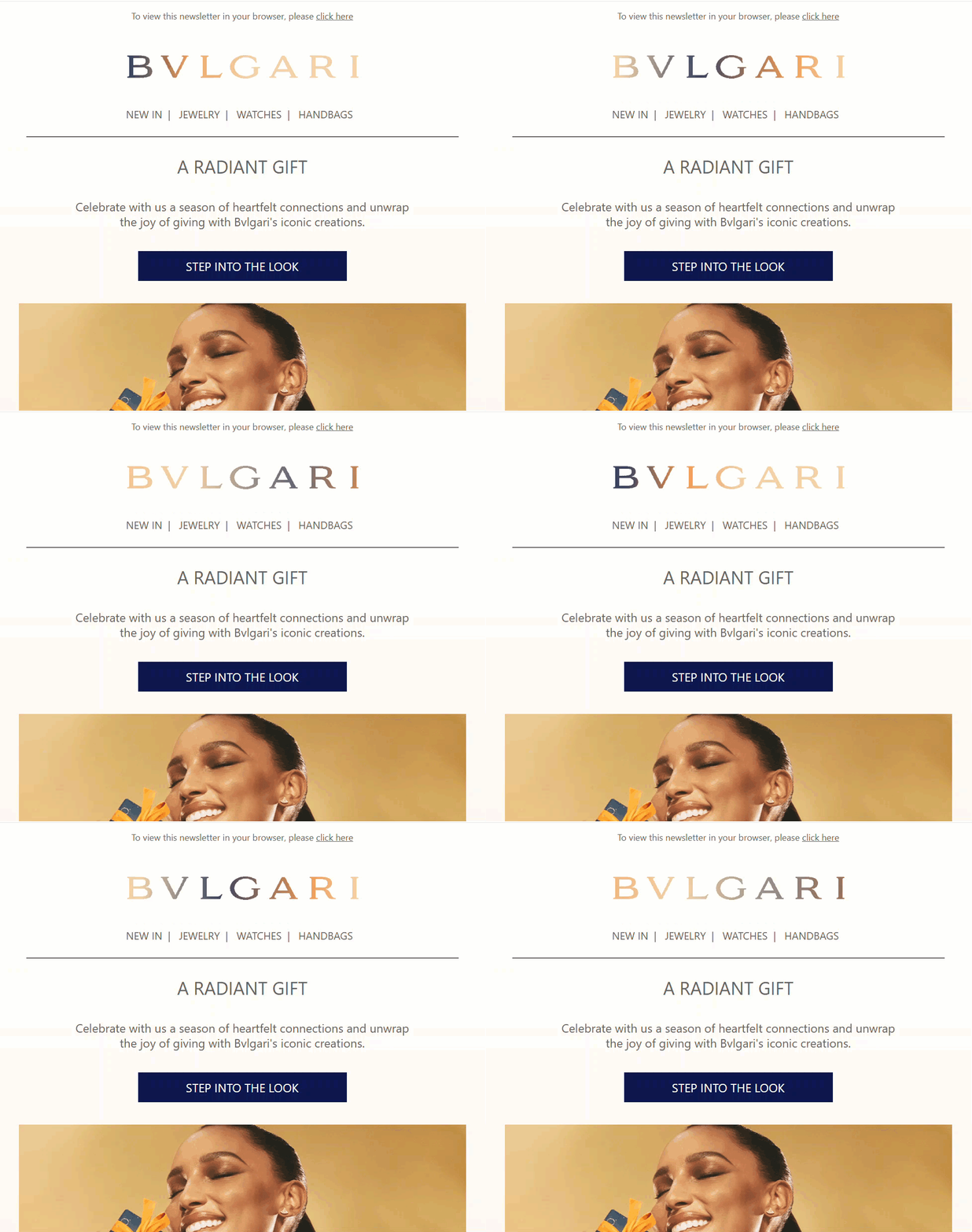
It wouldn’t be a predictions session without a new design trend! Megan also highlighted an exciting design trend for 2026: micro animations. “The past trend focused on beautiful, gigantic graphics and large GIFs, which can lead to long load times,” she explained.
The idea of a micro animation is a small gif or code snippet that helps to subtly draw attention without massive load times. This could be a little sparkle or movement to help catch the reader’s eyes. The example below captures attention with a slight shimmer over the logo. “Modern email aesthetics continue to trend simpler, and this is the next evolution,” she concluded.
7. New authentication rules
Building on Danielle’s prediction about mailbox provider updates, Julie Stuck turned her attention to authentication—specifically DMARC, SPF, and DKIM protocols. These tools help ensure email legitimacy and prevent spoofing, but Julie predicts their requirements will become even stricter in 2026.
“I’m predicting a future state where senders will need both SPF and DKIM to pass and align for DMARC authentication,” she explained. “MBPs may also require a minimum DMARC policy of p=quarantine, though we’re hoping it will be upgraded to p=reject.”
For marketers seeking to strengthen their authentication practices, check out this blog post for more details on DMARC protocols.
8. Bye bye, No-Reply
Julie’s second prediction highlighted the importance of building stronger bonds with subscribers. “Successful email programs will be measured not only by conversions but by the strength of your relationship,” she said.
With this in mind, Julie predicted the end of No-Reply email addresses and the rise of reply rates as an important new KPI in 2026. “Microsoft hinted at this in their bulk sender updates last spring and ‘strongly recommends’ allowing two-way communication,” she noted. By opening lines of communication, brands can foster trust, improve engagement, and ultimately boost revenue.
9. Marketers start checking ID
Laura Christensen highlighted the growing investments in customer data platforms, driven by the demand for personalized messaging. But with MBP updates, it’s becoming increasingly difficult to identify subscribers and their needs. Recently, Gmail announced they will give users the ability to have multiple email addresses, similar to Apple’s “hide my email” functionality. “With these changes, it’s more important for marketers to ‘check ID’ by verifying multiple data points to accurately identify and target subscribers,” she explained.
10. Legal joins the email proofing process
Laura’s second prediction emphasizes the increasing role of legal teams in email marketing as the industry moves from a “best-practices” environment to one of high-stakes legal responsibilities. The combination of differing privacy laws across states, AI generated content mistakes, and the rise of strict liability for email subject lines puts your organization at risk for lawsuits.
“It’s clear that legal review for a brand’s emails will become a strategic necessity to protect against aggressive state-level enforcement and the legal complexities of AI-integrated marketing,” concluded Laura.
11. New email metrics: Measuring trust
With artificial intelligence dominating inboxes and subscribers growing increasingly skeptical of AI-generative content, marketers need a fresh approach to building relationships. “The focus is shifting from simply reaching the inbox to proving you belong there,” said Guy Hanson. “The marketers who win won’t be the ones with the most data; they’ll be the ones who subscribers trust most to use it.”
But how do you measure trust? Guy referenced an equation that connects trust to credibility, reliability, and delivering value to subscribers.
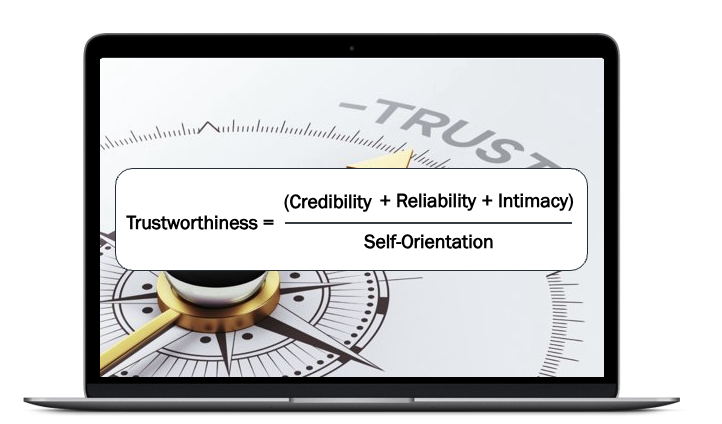
To build trust in practice, Guy recommended starting small: actively promoting preference centers, listening to subscriber feedback, and taking a long look in the mirror at your own program.
12. New-gen wearables will revolutionize first-party data
Guy closed out the webinar with a more “out there” prediction: As wearable devices and smart technologies like Bee (an AI wristband that transcribes audio in real-time) become more integrated into consumers’ daily lives, marketers will need to adapt their strategies to collect, interpret, and use the data from these sources effectively. This could open new opportunities for personalization and engagement, but it also comes with ethical considerations, particularly around privacy and data transparency.
“It’s a little like Black Mirror,” laughed Guy. “But it might not be as far-fetched as you think!”
2026 and beyond
From advancements in AI and authentication to evolving design trends and maybe even wearable technology, 2026 promises to be an exciting year for email marketers.
It’s no surprise that this webinar continues to be one of our most popular sessions, and we’re thrilled to offer you the chance to explore these predictions in greater detail. If you’d like to dive deeper, you can watch the full webinar replay on-demand!